Wood Chocks vs. Fibre Cradles — Safety, Cost and Sustainability Analysis
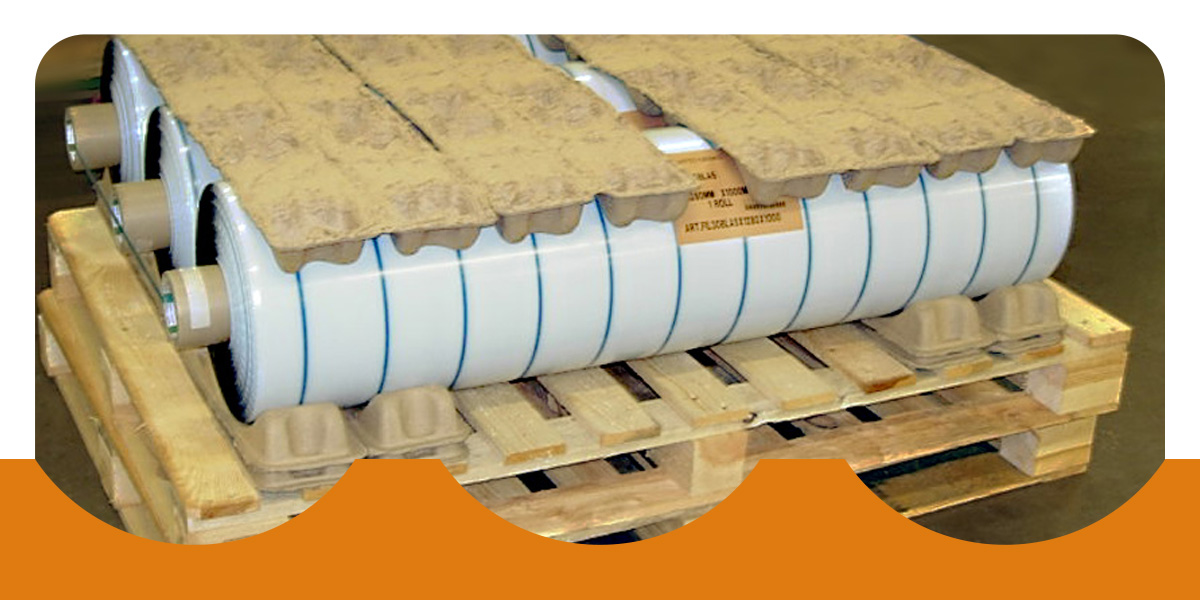
Choosing between wood chocks, typically used for blocking and securing rolls, and fibre cradles, designed for full product support, requires evaluating total cost, safety and sustainability. Both solutions have served the packaging industry for decades, and each performs well in specific scenarios. The challenge is understanding which option is better for your specific operation.
A strategic purchasing decision requires examining the total cost of ownership, safety performance and environmental sustainability. This analysis provides a data-driven framework to objectively evaluate both solutions and determine the appropriate choice for your supply chain.
The Total Cost of Ownership Analysis
Packaging’s true cost extends well beyond the purchase price. Total cost of ownership accounts for direct costs, indirect expenses, operational impacts and risk-related costs. Research shows that indirect costs such as transport, transaction fees and risk can add nearly 25% on top of the initial purchase price.
Direct Costs and Up-Front Purchase Price
Wood chocks are often less expensive, making them appear economical. This cost advantage can be meaningful for operations with stable domestic routes and durable products — particularly when shipment volumes are high and margins are tight. However, a complete view accounts for treatment costs, compliance requirements and freight impacts.
Nitto Denko Corporation, a global manufacturer of adhesive tape products, achieved 40% cost savings after switching to fibre cradles. This reduction came from material costs and eliminating ISPM 15 wood treatment — a regulatory requirement that adds expense, time and complexity to international shipments.
Indirect Costs of Shipping Weight and Freight Efficiency
Weight directly impacts freight costs, especially for air shipments and weight-sensitive transport. Lighter packaging means lower fuel consumption and reduced shipping expenses across your distribution network.
When Nitto Denko switched to fibre cradles, they noted that lighter weight also reduced freight costs. These freight savings compound significantly over time for high-volume shippers or operations with tight margins.
Operational Costs From Storage and Labour
In Modern Materials Handling’s 2024 Warehouse Operations and Trends Survey, 45% of warehouse operators cited outdated storage, picking or material handling equipment as their top challenge. Since roll support solutions directly impact these operational metrics, selecting the ideal solution is critical.
Fibre cradles offer distinct advantages.
- Improved storage efficiency: Nesting and stacking capabilities reduce floor space requirements.
- Lighter handling weight: Reduces worker fatigue and improves productivity.
- Consistent dimensions: Enables better warehouse organisation and space planning.
Risk Costs From Product Damage and Replacement
The hard surface of wood chocks can cause abrasions and impact damage to sensitive roll-based products, especially when used for blocking. Despite industry advancements, an estimated 21% of oversized online purchases still arrive damaged. In contrast, moulded fibre cradles offer complete encapsulation and cushioning, providing gentler support, hugging the product without creating hard pressure points and cutting replacement costs.
The Safety and Risk Mitigation Analysis
According to the U.S. Bureau of Labor Statistics, the transportation and warehousing sector has one of the highest serious injury rates — 4.4 cases per 100 workers. Packaging materials can reduce these incidents.
Worker Safety in Handling and Ergonomics
Heavy wood chocks increase physical demands on workers, contributing to fatigue and injury risk. Wood also presents secondary hazards.
- Splinters: Cause painful hand and arm injuries.
- Wood dust: May irritate respiratory systems.
- Repetitive heavy lifting: Strains backs, shoulders and joints.
Lightweight fibre cradles significantly reduce these ergonomic risks. Workers handle them more easily, and the smooth surface eliminates splinter hazards.
Load Integrity, Impact Protection and Stability
The uniform, engineered shape of moulded fibre cradles provides consistent, full-product support, offering more reliable load stability than wood chocks used primarily for blocking, which can vary in dimensions and surface quality. This engineered consistency prevents rolls from shifting during transport, minimising accident risk and protecting product integrity.
Regulatory Compliance and the ISPM 15 Factor
ISPM 15 is an international standard designed to prevent pest spread through wood packaging. The regulation requires wood packaging in international trade to undergo heat treatment or fumigation with official stamping.
Noncompliance consequences include:
- Shipment refusal at the port of entry
- Shippers covering re-export costs at their expense
- Mandatory treatment or destruction of rejected packaging
As a processed wood material, moulded fibre is exempt from ISPM 15 provisions. It eliminates treatment costs, administrative burden and compliance risk, making fibre cradles the simpler choice for international shipping.
The Sustainability and Environmental Impact Analysis
Environmental responsibility has evolved into a business imperative. Companies face increasing pressure to demonstrate measurable sustainability progress, and packaging choices directly impact environmental footprints and ESG reporting metrics.
Material Sourcing and Carbon Footprint
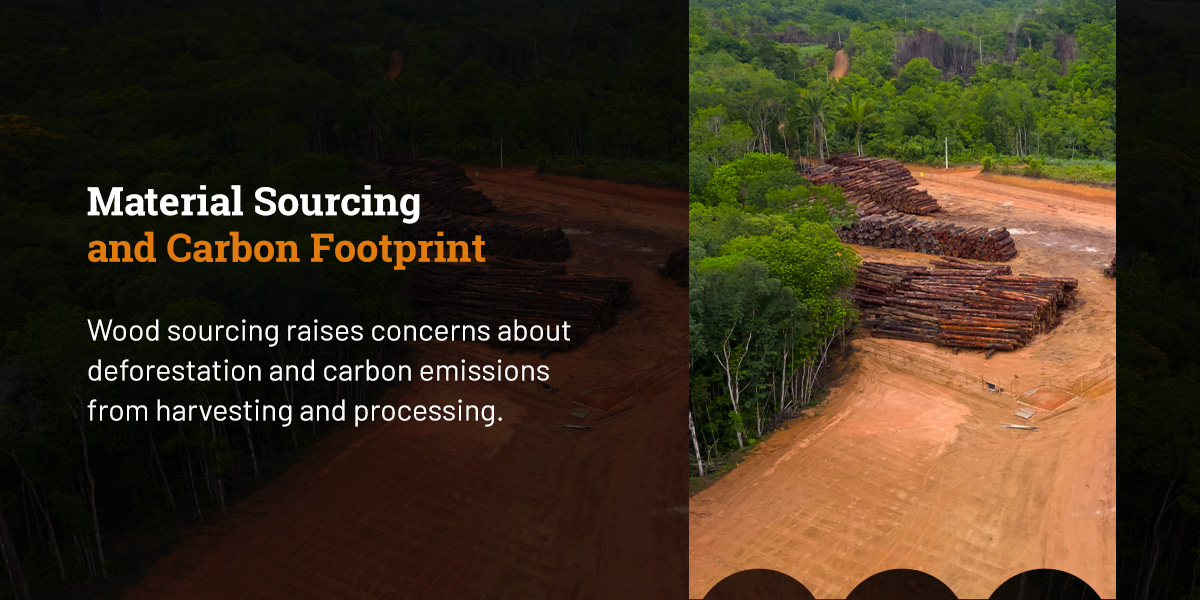
Wood sourcing raises concerns about deforestation and carbon emissions from harvesting and processing. Forestry operations, transportation of raw timber and kiln-drying processes all contribute to the material’s embodied carbon before manufacturing even begins.
Sustainable forestry certification programmes aim to mitigate these impacts, but supply chain verification remains inconsistent across global markets. Additionally, treatment chemicals required for pest compliance can introduce environmental concerns throughout the wood chock life cycle.
Recyclability and End-of-Life Disposal
Moulded fibre cradles use 100% recycled materials, diverting waste from landfills and eliminating virgin resource demand. This approach reduces the environmental burden of raw material extraction. It also supports circular economy principles by transforming postconsumer waste into functional packaging components.
Benefits for ESG Reporting and the Circular Economy
ESG reporting has become critical as investors and partners evaluate sustainability performance. Moulded fibre cradles offer clear documentation points — recycled content percentage, recyclability, carbon footprint reduction and waste diversion. These quantifiable metrics strengthen sustainability scorecards and demonstrate a commitment to circular economy principles.
Wood Chocks vs. Fibre Cradles
Total cost of ownership, safety performance and environmental sustainability all favour fibre cradles for most applications. However, context matters.
When Traditional Wood Chocks Might Suffice
Wood chocks remain a practical choice for specific applications. Domestic-only shipments with heavy-duty products that aren’t sensitive to surface contact can benefit from wood’s proven durability and lower up-front cost. Operations focused on short-term cost control or handling particularly robust materials may find wood chocks effectively meet their immediate needs.
Why Moulded Fibre Is the Standard for Modern Logistics
Moulded fibre cradles deliver demonstrably superior value for operations concerned with total cost optimisation, safety and sustainability. These benefits position fibre cradles as the strategic choice for long-term optimisation.
- Total cost reduction: Potential to achieve 40% savings over wood when accounting for material, treatment and freight expenses.
- Lower risk profile: Lighter weight reduces worker injuries, while ISPM 15 exemption removes compliance concerns.
- Enhanced safety: Cushioning properties protect your products, and consistent dimensions improve load stability.
- Environmental advantages: Moulded fibre is 100% recyclable and made from recycled materials, with a demonstrably lower carbon footprint.
Find Your Optimal Roll Cradle Solution With Rollguard
The ideal cradle solution depends on your specific shipping requirements, product specifications and operational priorities. At Rollguard, we’ve spent decades engineering fibre cradle solutions for European manufacturers. Our German-designed moulded pulp cradles have proven effective across multiple applications.
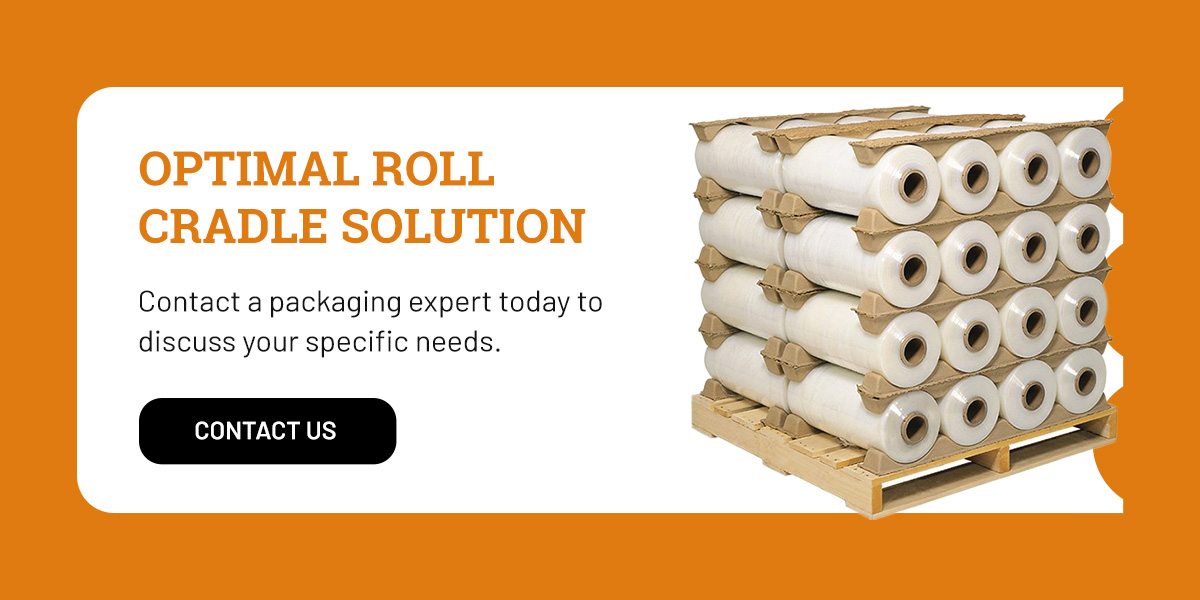
Whether you need a standard solution or custom packaging for unique roll dimensions, our team can help. Use our Product Configurator to explore your options, or contact a packaging expert today to discuss your specific needs.
Leave a Reply